By Toni Pienonen, Crazy Town
At Crazy Town, I’ve worked with early-stage teams through the Deep Tech Launchpad programme and EriCa Reactor, our accelerator for deep tech startups working on sustainability. Across both programmes, we’ve seen how much an industry partner can contribute before a startup has a product to sell. Three observations stand out.
Develop TRL and CRL in parallel
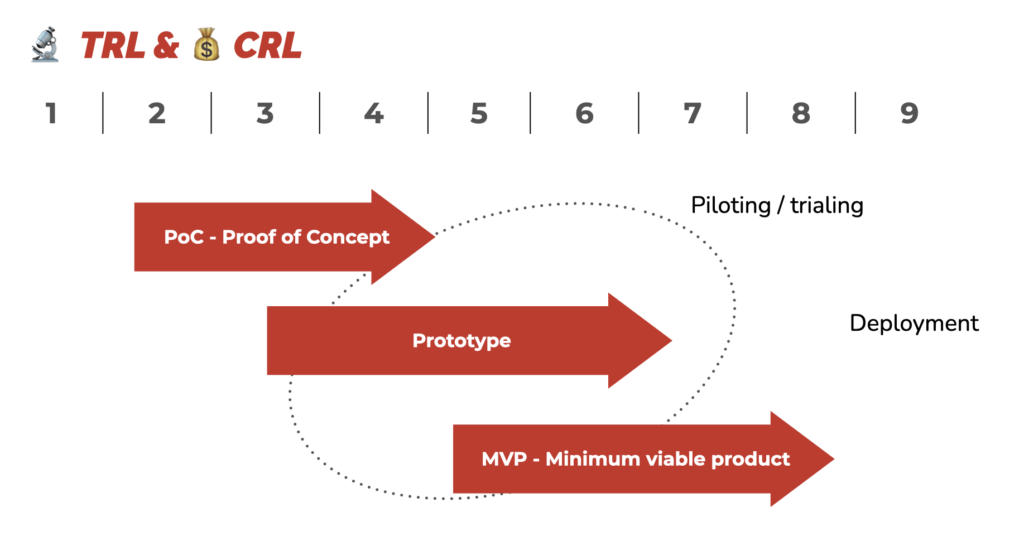
Technology readiness levels (TRLs) provide a standard nine-point scale for assessing how mature a technology is. Reaching TRL 9 means the technology has proven itself in operation. Whether it can support a viable business is a separate question. Commercial readiness level (CRL) deserves equal attention.
Kevin Eboigbodin, a Crazy Town member and deep tech expert, points out that working on commercial readiness alongside the technology helps founders understand what customers need and how they would use the solution. That understanding can give customers and investors greater confidence in the business and help the team reach the market sooner.
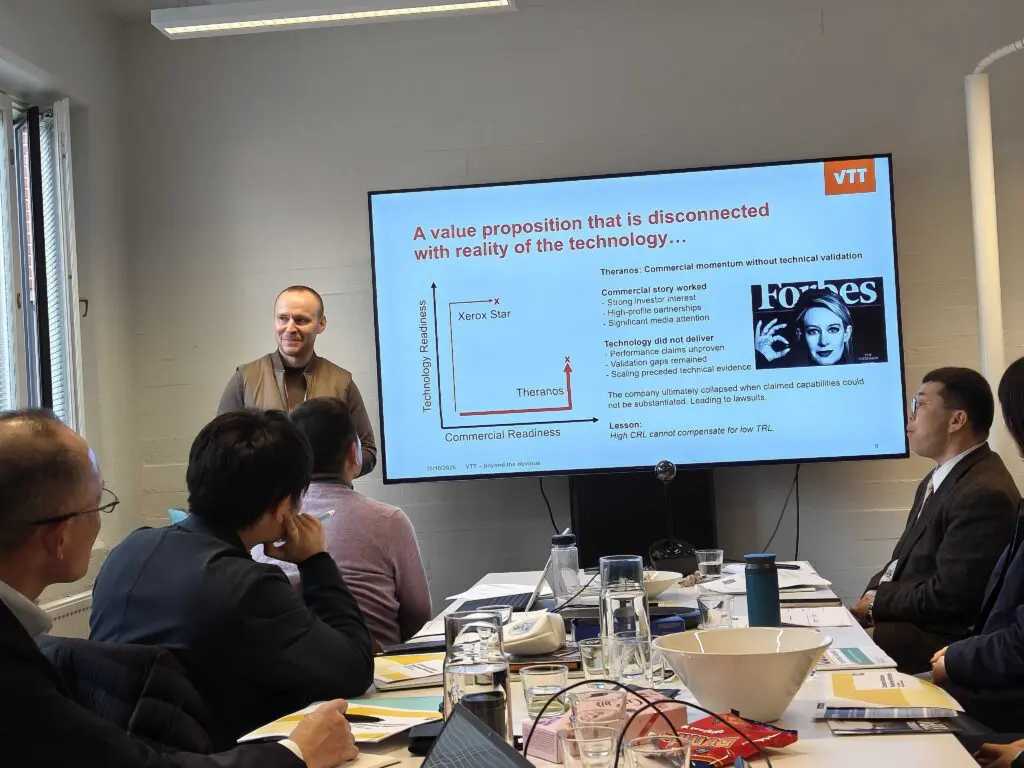
In our experience, deep tech teams rarely make big claims before their technology works. Far more often, a promising technology gets stuck in the lab or remains a patent with little commercial value. When selecting teams for our programmes, we pay increasing attention to the people behind the idea and the business assumptions they’ve tested.
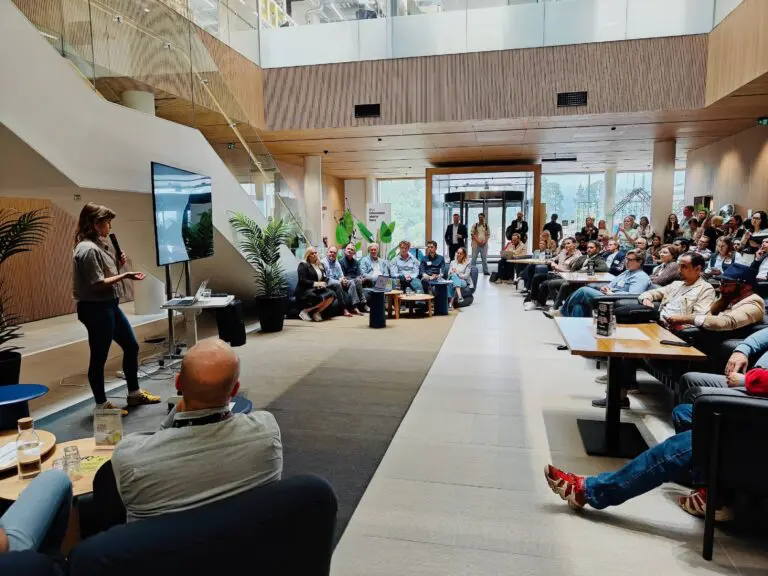
PHOTO: VTT and Crazy Town training Japanese researchers on commercializiation of their research with help of TRL & CRL framework in KSAC Finland program
From PoC to prototype to MVP: Design the trial with the people who know the process
Testing new technology in a real-world setting is essential for deep tech startups, but teams can underestimate the risks a trial poses for an industry partner. Even companies in the same industry can see those risks differently. Look for a partner willing and able to test your prototype. Your first pilot partner may be quite different from your eventual target customer.
One of the most valuable things industry partners bring is experience taking technology from the lab into production. They can help you answer questions like these.
- What problem are you solving for the end customer?
- How would your solution fit into the day-to-day work of the customer and its suppliers?
- How should you design the trial and measure its impact?
- As you move from proof of concept (PoC) to prototype to minimum viable product (MVP), what do you need to test at each stage?
Industry partners know how much variation a production line can tolerate, what a process change costs and which quality requirements suppliers have to meet. For a team new to the industry, that knowledge can shape what it tests next. At EriCa Reactor, our industry partner’s guidance helped several teams secure funding and win customers beyond our network.
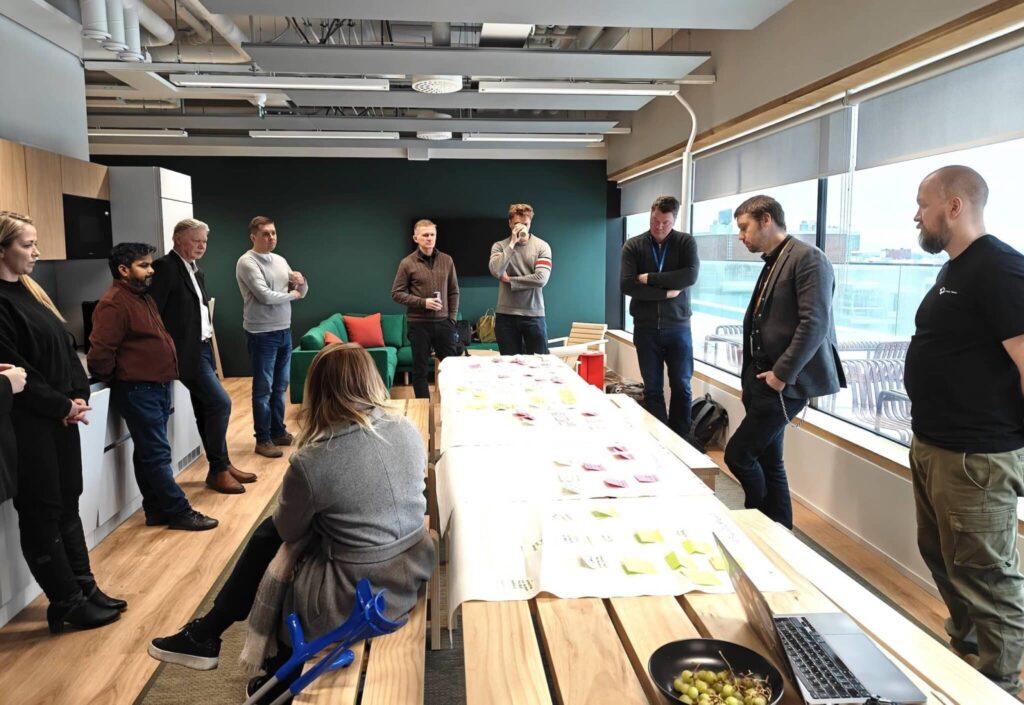
PHOTO: At EriCa Reactor, several teams learned about scaling from lab to market and how to design trials, thanks to industry mentoring – helping them to attract over 2 million euros of funding and launching pilots across Europe
Customer feedback can also change what you sell first. If the final product will take years to develop, could you offer customers one of its benefits today? A team developing a testing instrument, for example, might start by offering testing as a service. Each paid project brings in revenue, helps refine the method and shows which results customers value. Sales typically give investors stronger evidence of demand than a letter of intent or memorandum of understanding.
Note that for teams using early revenue to fund development, it’s worth asking which projects bring the final product closer and which draw time away from it.
Love the problem, not the solution
Industrial customers may have only a short window to buy, and getting a purchase approved can be complicated. Keep your initial market narrow enough to focus your efforts but large enough to support your business. Look for customers you can reach who have an urgent problem, a budget to address it and a way to judge whether your solution works.
Deep tech teams sometimes build something so new that potential customers have yet to recognise the problem it solves. Jussi Junikka from Fulmore, another Crazy Town community member, puts it this way: “Deep tech twist: Buyers search for their problem, not your technology. The ‘really deep tech’ twist: No-one is even aware of the problem and needs to be educated first before selling the solution.”
Approach an industry partner with curiosity. Before pitching a pilot, ask who experiences the problem and how they deal with it today. Then find out who else is involved. Who will use the solution? Who influences the decision? Who can approve a trial, and who can approve the purchase?
Once you understand who buys and how, you can design your sales process around this.