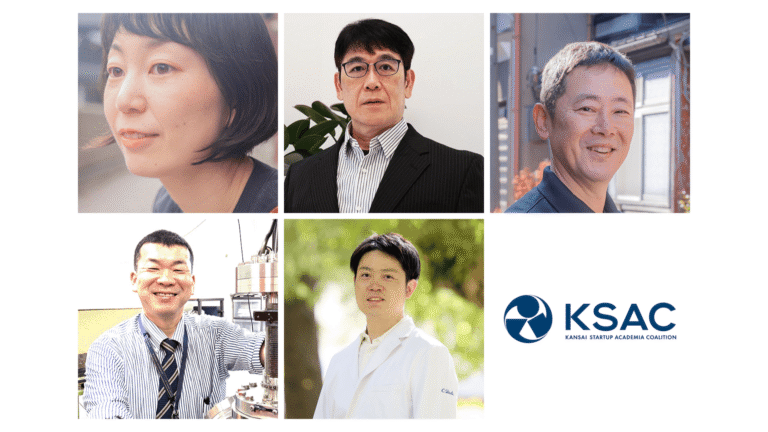
Five researchers from Japan’s Kansai region joined the KSAC Finland programme to explore how their research could move towards commercial applications. As part of the visit, Crazy Town delivered Espoo Innovation Deep Dive, combining tailored preparation, hands-on training and matchmaking with Finland’s research and startup ecosystem.
Taking research from the lab to the market requires more than technology. It takes an understanding of potential customers, possible commercialisation pathways and the people who can help move things forward.
These questions shaped the KSAC Finland programme. Each researcher brought a different technology, development stage and set of ambitions. Our task was to understand those differences and build a programme that helped each participant identify their next steps.
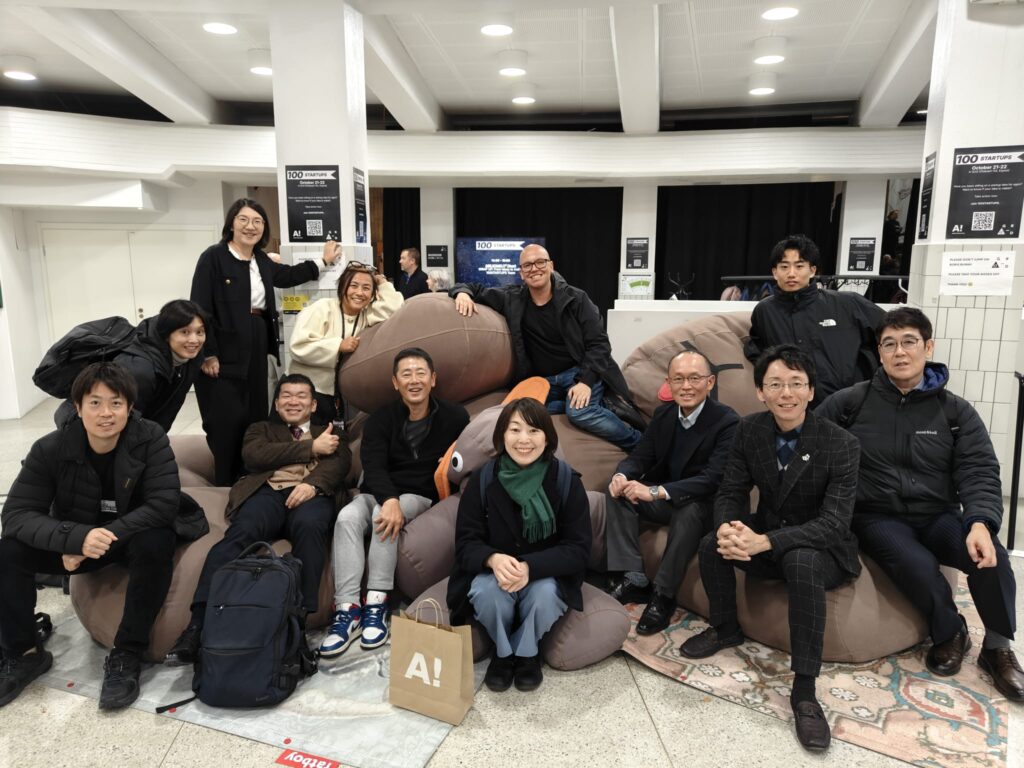
Toni from Crazy Town & Mayumi from Enter Espoo with KSAC Finland delegation at A Grid, Espoo
Commercialization training, tailored matchmaking and visits
The work began before anyone boarded the plane from Osaka to Helsinki-Vantaa. Individual onboarding discussions helped us understand the researchers’ goals, expectations and concerns. Online workshops introduced the Finnish ecosystem, explored commercialisation and helped participants prepare their pitches. By the time they arrived, we had a foundation for focused discussions and relevant introductions.
Delivered in partnership with Enter Espoo, VTT and Aalto Startup Center, our “Espoo Innovation Deep Dive” part connected the researchers with Finland’s deep tech ecosystem. The week explored commercialisation pathways, entrepreneurial skills and the practical requirements of taking technology from lab to market.
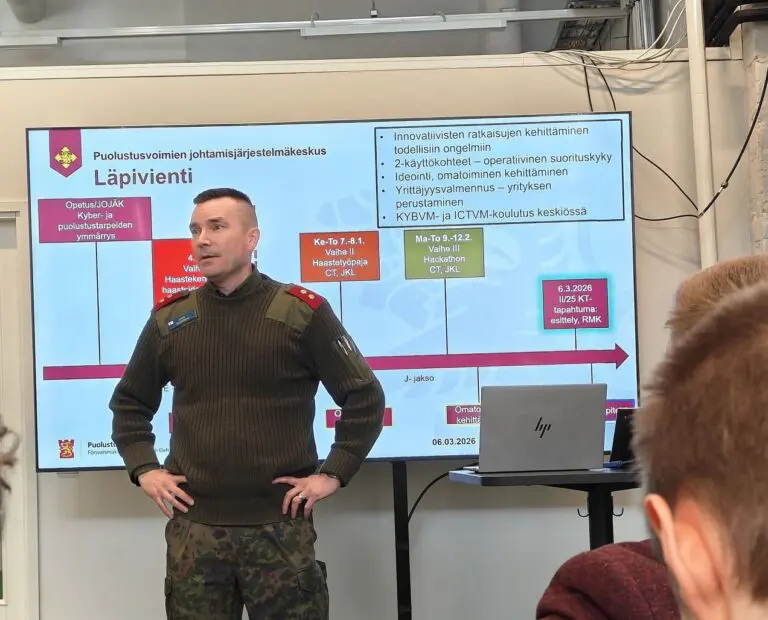
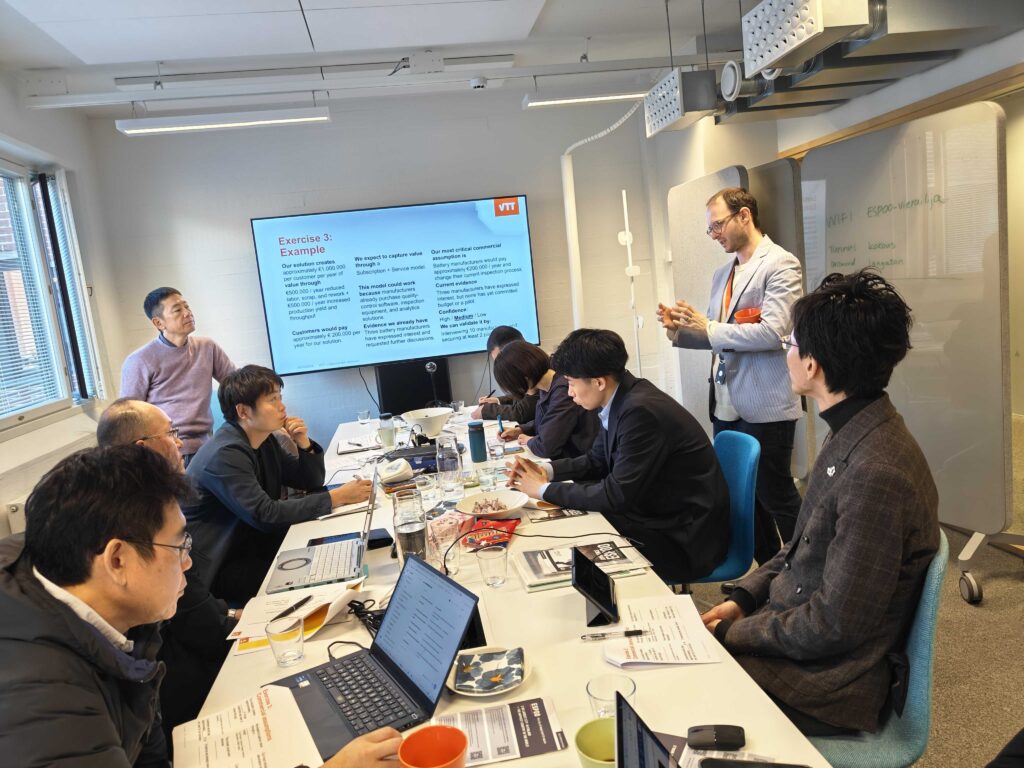
VTT’s commercialisation readiness workshop helped participants reflect on their own development needs. Meetings with Finnish researchers who had built startups around their work provided valuable peer examples. How they had started, what they had learned and which decisions had shaped their journeys.
Throughout the week, we organised approximately 15 one-to-one meetings, alongside several site visits, mentoring and workshops. Connections extended beyond Espoo to the University of Helsinki, JAMK University of Applied Sciences, Business Lahti and others. The aim was to connect each researcher with people whose expertise and interests matched their needs.
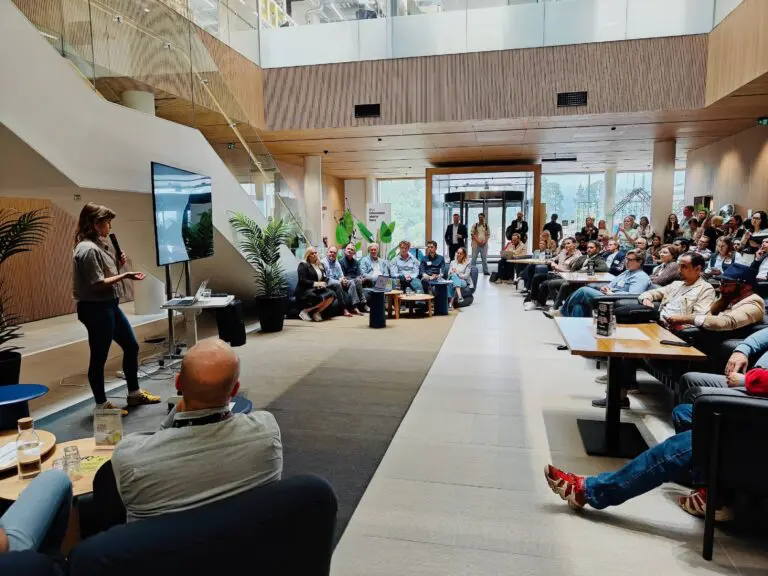
At Crazy Town EriCa in Espoo, our afterwork organized in partnership with pan-European Deep Tech LaunchPad project gathered more than 40 people from universities, businesses and ecosystem organisations across different regions.
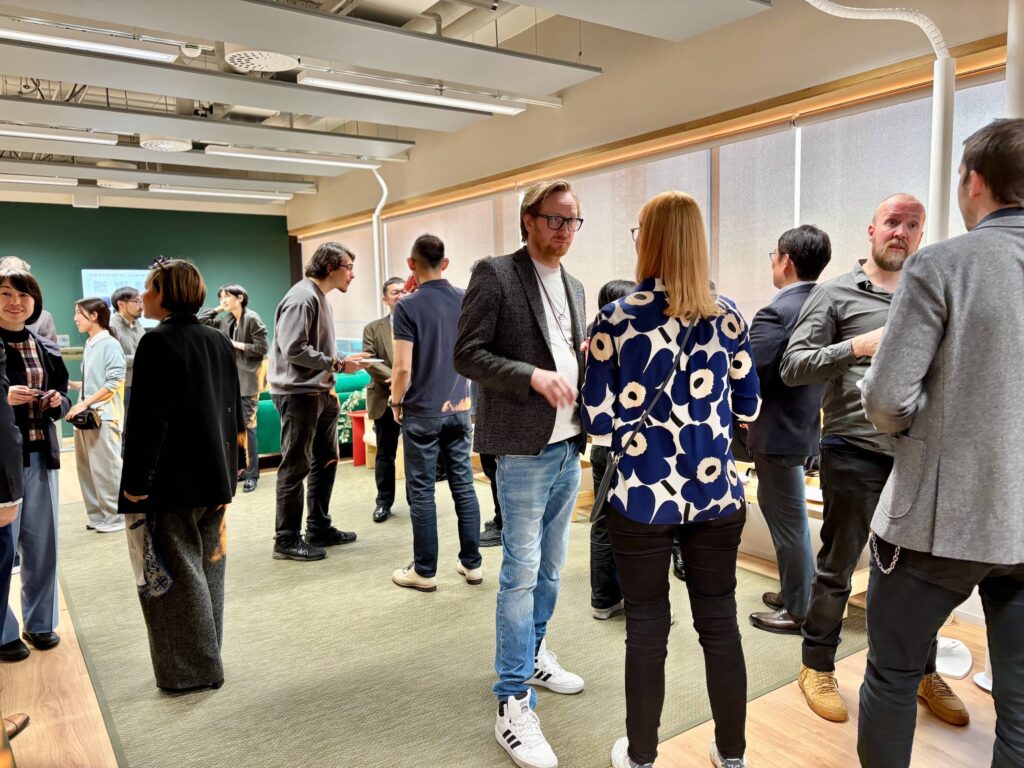
The week concluded with a KSAC Pitch & Meetup session organised in collaboration with Helsinki Partners, giving the researchers an opportunity to pitch their solutions and develop new connections.
This was a training and matchmaking programme with a purpose beyond the visit itself. Each activity was designed to help researchers assess their options, develop their capabilities and build relationships they could continue afterwards.
Visiting Aalto Design Factory and Startup Sauna to see how students in Finland learn entrepreneurial mindset, design-thinking and venture-building
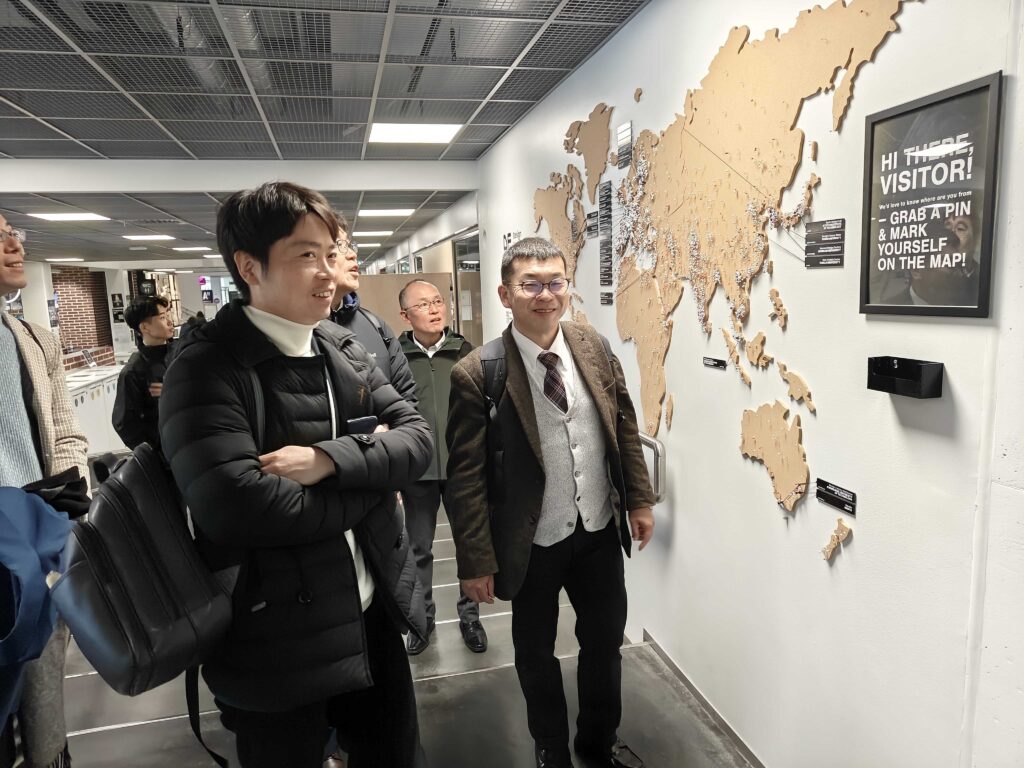
Finnish hospitality and deep tech expertise
One observation came up repeatedly during the week: “Everyone is so willing to help each other here in Finland.”
Both our Japanese client and the participants highlighted the personal approach. Alongside their technologies and research, we made room for their hopes, questions and concerns. We listened and adapted the programme around what would be useful to them.
VTT complemented Crazy Town’s workshops with commercialisation training during Espoo Innovation Deep Dive. The KSAC researchers learned about VTT Launchpad, VTT’s deep tech incubator, and explored technology and commercialisation readiness levels—what they mean in practice and how to advance both.
That feedback also says something about the wider Finnish ecosystem. People responded to introductions, made time at short notice and helped open doors. Trust, straightforward collaboration and a willingness to contribute made a real difference to what we could achieve together. Japanese guests were surprised by how much there is support and encouragement in Finland for those interested taking their solution from lab to society.
These are strengths worth recognising. Finland has expertise, mindset, infrastructure and support for researchers and early-stage ventures. The willingness of people to help one another makes those resources easier to access.
The depth of the Japan-Finland connection also surprised many of us, including our team at Crazy Town. We met Finns who had worked in Japan, knew its innovation ecosystem or had relationships that could support the researchers back home. A conversation in Finland could open a door in Japan, too.
At Crazy Town, we often talk about social capital that is the people you know, the trust you build and the help you can give and receive. This programme brought that idea to life. New relationships gave participants access to perspectives, expertise and possibilities they could explore further.
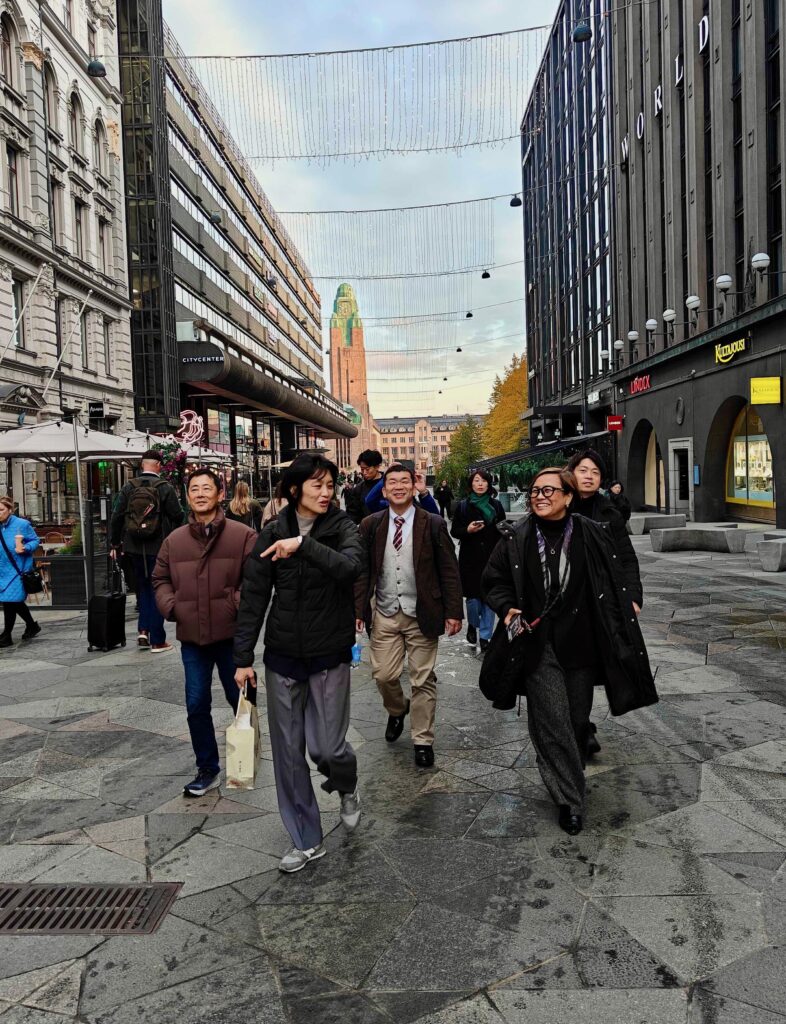
KSAC delegation on the streets of Helsinki, heading for the pitching event with Helsinki Partners.
A big thank you to the KSAC team at Osaka Business Development Agency, Mayumi at Enter Espoo, VTT, Aalto Startup Center, Helsinki Partners and everyone who hosted us, shared their experience and opened doors. Above all, thank you to our guests from Kansai for their curiosity, openness and commitment.
The work now continues through mentoring and helping the researchers take their next steps. The connections are now in place.
The five researchers participating in KSAC Finland were
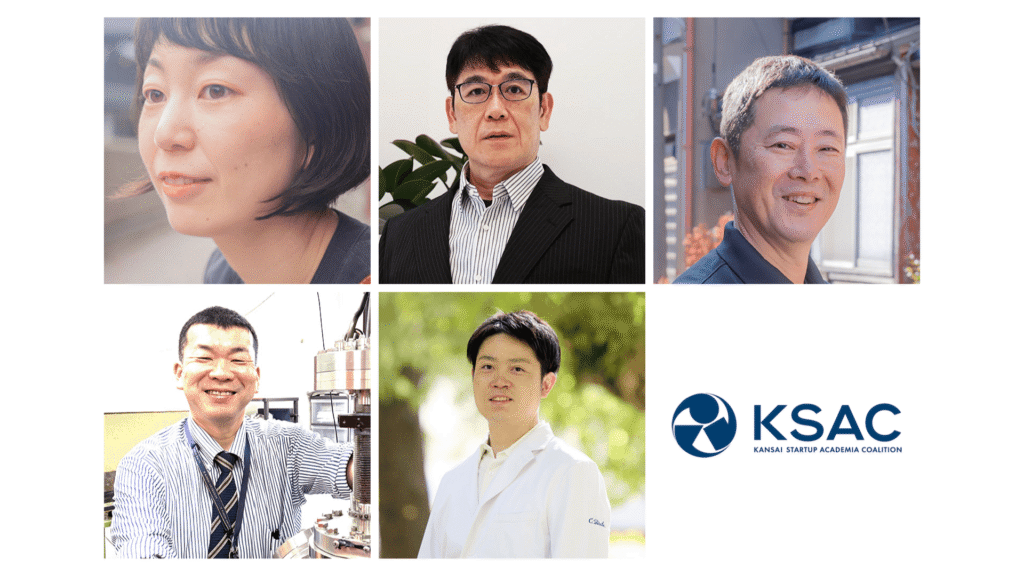
Haruka Takeuchi — Kyoto University
Takeuchi is developing decentralised water treatment and reuse systems. The aim is to allow water to be treated and reused locally, supporting more sustainable water use.
Shu Ishikawa — Kobe University
Ishikawa is developing uLtra-PGA, a biodegradable polymer produced by fermentation. The initial focus is on cosmetic ingredients, with potential for later use in medical and industrial applications.
Motoshi Sobue — Nara Institute of Science and Technology, NAIST
Sobue is developing a treatment approach aiming for lasting therapeutic effects in conditions such as Parkinson’s disease and drug addiction. The underlying technology also has potential for more immediate applications in other areas.
Hiroaki Nishikawa — Kindai University
Nishikawa is developing thin ceramic films that retain their functional properties while bending. These materials could be used in wearable sensors that monitor signals from the body.
Chuji Hirota — Osaka Medical and Pharmaceutical University
Hirota is part of a team developing a scaffold to support the regeneration of joint cartilage. The approach aims to enable repair in a single procedure without donor tissue.
Crazy Town delivers tailored innovation visits to Finland
Crazy Town delivered Espoo Innovation Deep Dive as a hands-on, turnkey service, from preparation and programme design to training, matchmaking and follow-up support for our customer KSAC program at Osaka Business Development Agency.
We design and deliver similar tailored programmes for universities, innovation organisations and other partners seeking access to Finnish expertise and networks. Planning an innovation visit to Finland or hosting an international delegation? Let’s build a programme around your goals, combining practical training, relevant meetings and connections that last beyond the visit. Get in touch to discuss your programme.